
06 / Concrete & mortar
Floor and waterproof coatings
DR200A uses ultrasound to check coatings on concrete or cement mortar, including floor and waterproof layers.
Explore DR200AFrom vehicle paint and protective coatings to pipe walls and optical films, begin with the material, the property you need to measure and the expected range.
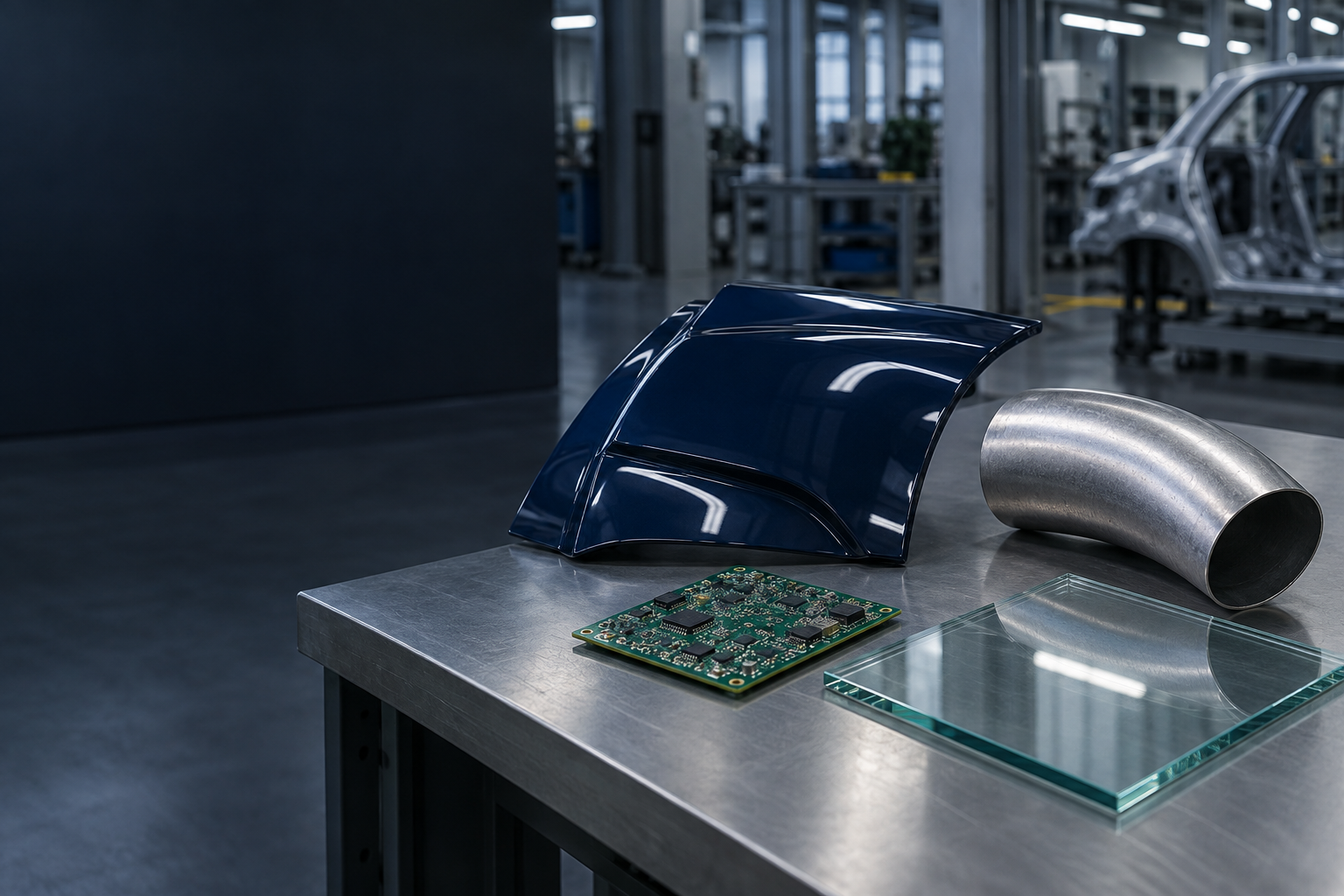
These examples pair a Dongru instrument with the surface and property it is designed to inspect. Check the substrate, measuring range and probe access before selecting a model.
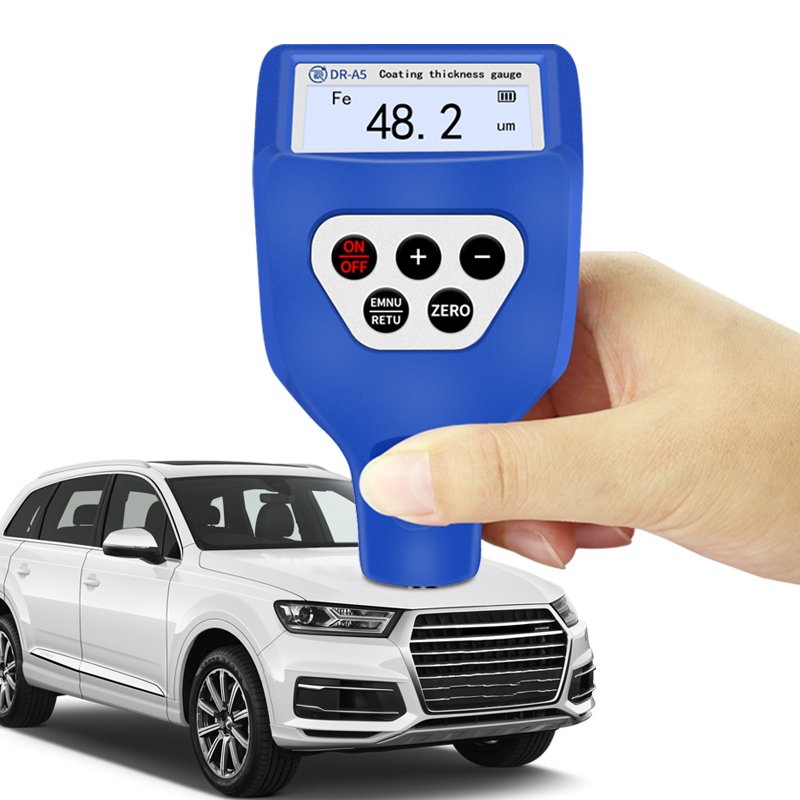
Compare readings across neighbouring panels to identify areas that may have been repaired or recoated. A dual-mode gauge switches between magnetic induction for steel and eddy current for non-ferrous metal.
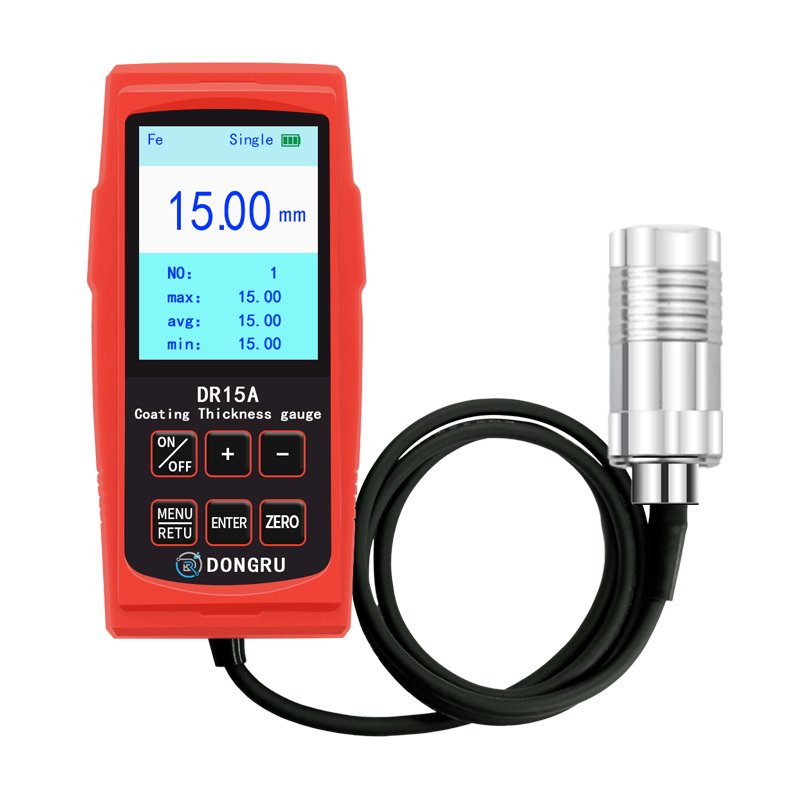
Fire-resistant coatings and heavy anticorrosive layers can be far thicker than vehicle paint. DR15A is intended for thick coatings on ferrous metal, with a 0.1–15 mm range.
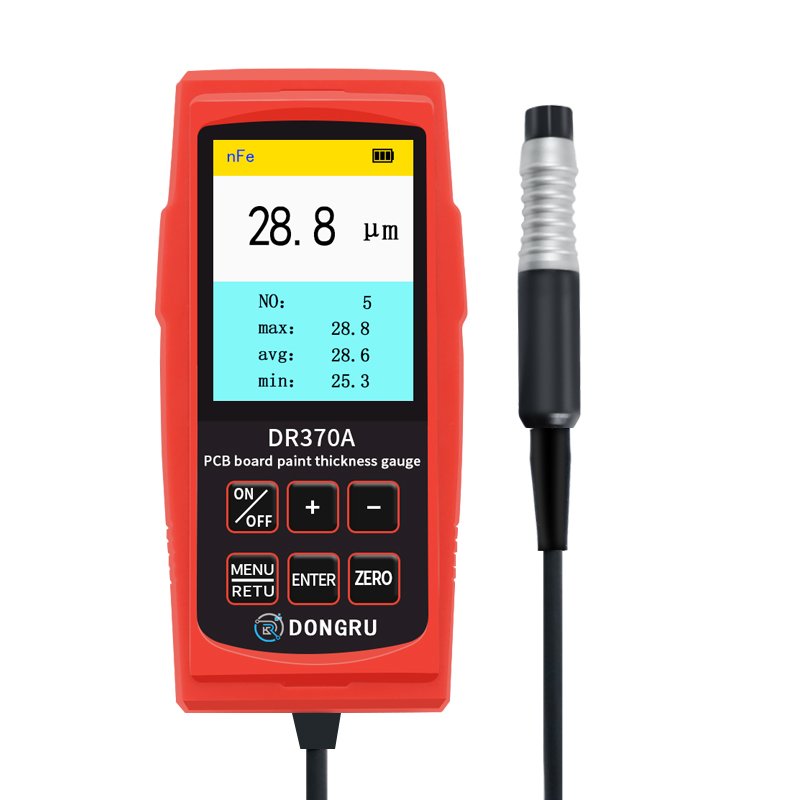
DR370A uses eddy current measurement for non-conductive conformal coatings over a suitable conductive base. Probe placement and available test area matter on a populated board.
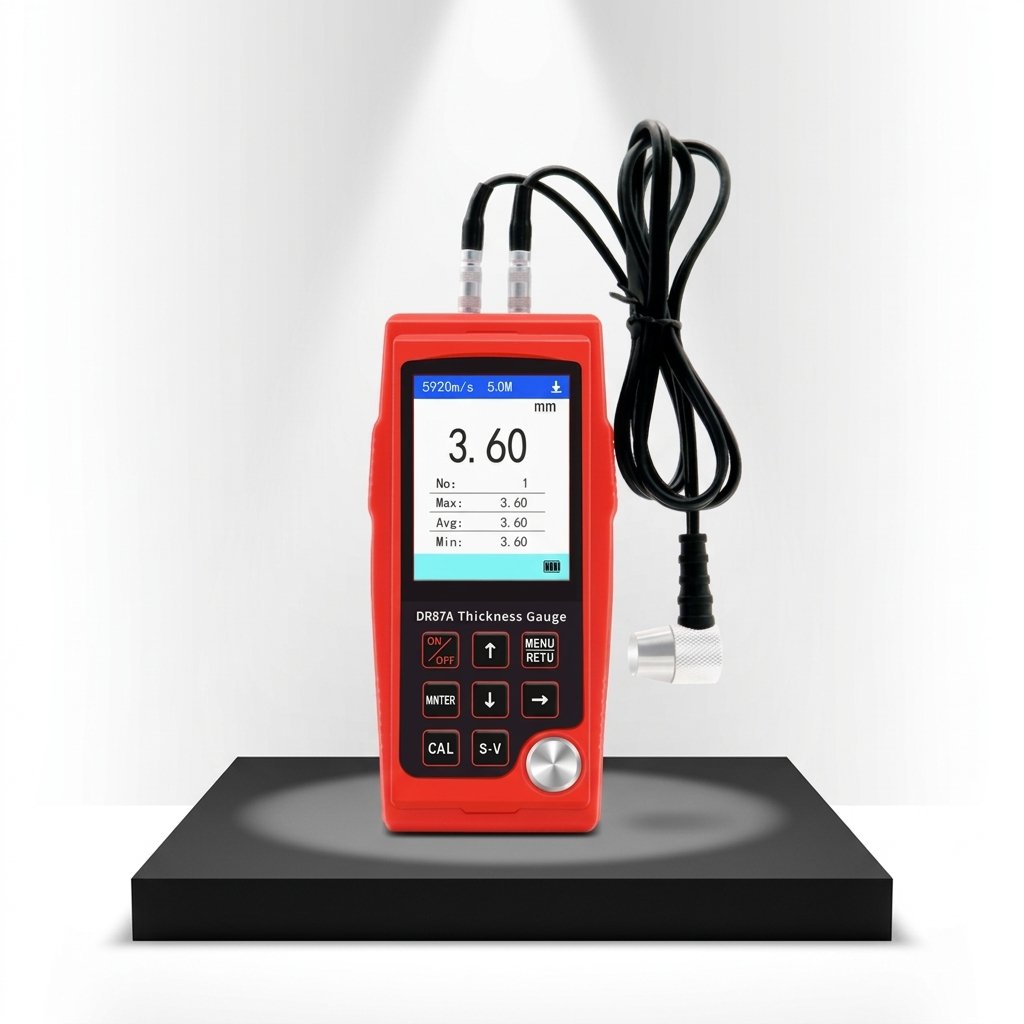
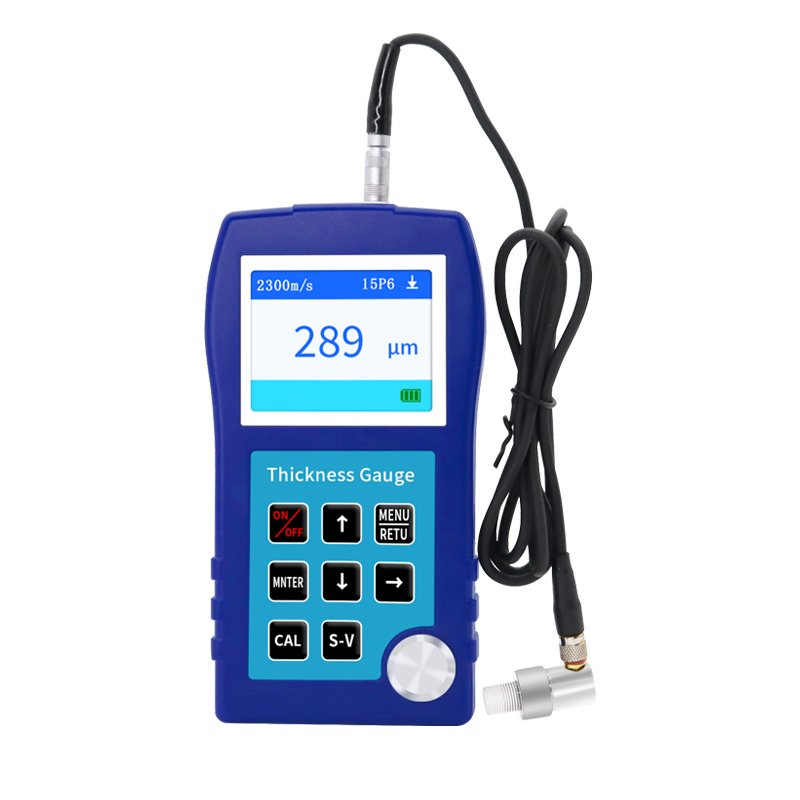
Ultrasonic pulse-echo measurement helps assess pipe, vessel and ship-hull wall thickness without cutting the part. DR87A offers a through-coating mode for compatible conditions.
DR81 measures visible light transmission through glass, acrylic and film. Use it when the question is how much visible light passes through a sample; haze and gloss need different instruments.
Explore DR81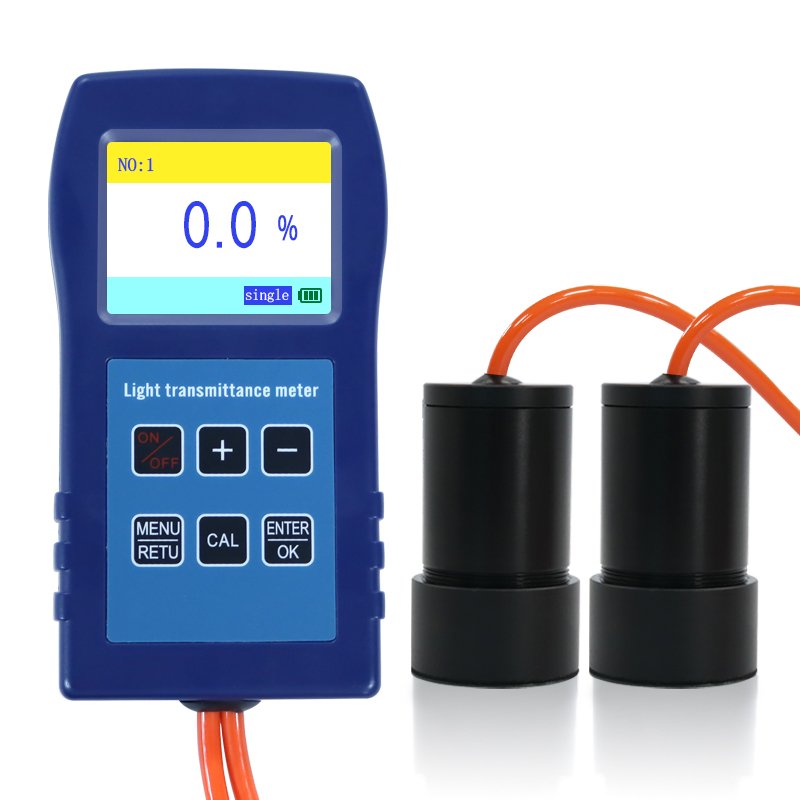
Concrete coating thickness, optical haze and surface gloss each require their own measurement principle.
DR200A uses ultrasound to check coatings on concrete or cement mortar, including floor and waterproof layers.
Explore DR200A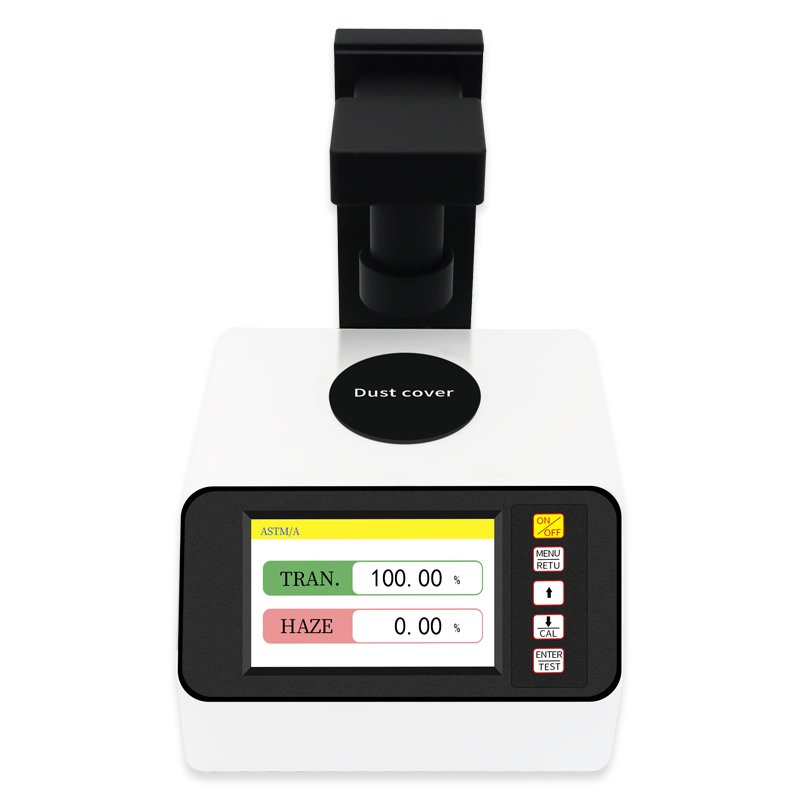
DR-W300 measures haze on suitable transparent film, plastic and glass samples.
Browse optical meters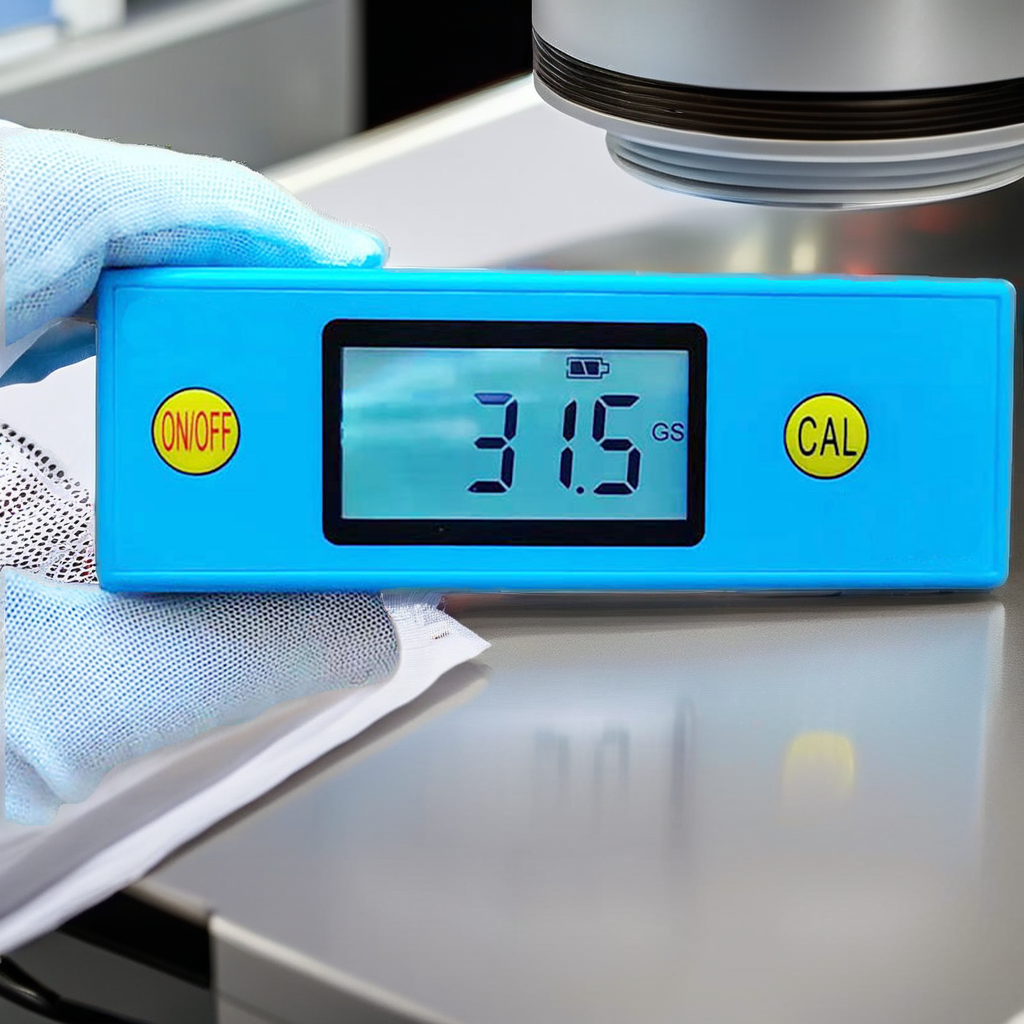
DR60A checks surface gloss on finishes such as paint, plastics, stone and paper.
Explore DR60AThese methods answer different questions. Confirm the substrate, surface condition and instrument specification before applying a reading to an acceptance decision.
Non-magnetic coating thickness on a ferrous base, such as paint on steel.
Non-conductive coating thickness on a conductive non-ferrous base, such as anodized aluminum.
Wall thickness from the travel time of sound through the material, with access from one side.
Transmission, haze or gloss measured with the instrument and geometry appropriate to the property.
Include the inspection location and whether results must be recorded. We can help narrow the suitable method and instrument family.